Summary
This post offers a strategic snapshot of 13 leading GEO platforms helping brands monitor and improve their presence in AI-generated search results. As AI engines like ChatGPT and Google’s AI Overviews reshape how information is discovered, these tools step in to audit citations, track sentiment, and simulate how your brand is interpreted across major large language models. Each platform supports a different use case—some focus on earned media visibility, others on owned content testing or prompt diagnostics. This post helps marketers, PR teams, and SEO professionals find the right tool to protect and grow brand relevance in AI-driven environments.
AI search is rewriting the rules of discoverability. It no longer matters how well you rank in traditional search. What matters is how AI describes you.
Generative Engine Optimization, or GEO, has become the new frontier for brand control. These platforms don’t just track keywords. They monitor citations, measure sentiment, and uncover how your brand is interpreted by tools like ChatGPT, Perplexity, and Google’s AI Overviews.
This guide breaks down thirteen platforms leading that shift. Each one takes a different approach. Some focus on earned media. Others zero in on prompt testing, sentiment mapping, or content scoring. A few aim to replace legacy SEO entirely. What they share is one goal, helping you stay visible, accurate, and relevant inside AI-driven results.
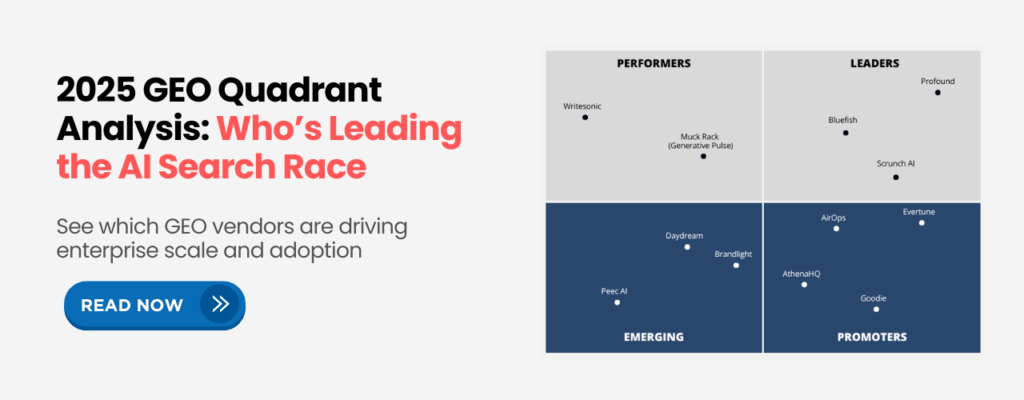
Here’s a quick look at the landscape.
Table: GEO Platform Summary
| Platform | Core Focus | Best For |
|---|---|---|
| Profound AI | Multi-engine visibility and citation audit | Enterprise brands |
| Goodie AI | Weekly brand presence snapshots | Agencies and consultants |
| Semrush AI Toolkit | Keyword-triggered AI Overview insights | SEO teams |
| Muck Rack Generative Pulse | Earned media visibility in AI summaries | PR teams |
| AthenaHQ | Enterprise-grade AI brand monitoring | Strategy leaders |
| Scrunch AI | Branded prompt tracking and sentiment | Brand marketers |
| Rankscale | Owned content and page-level GEO scoring | SEO analysts |
| Peec AI | Sentiment heatmaps and tone benchmarking | Comms and brand teams |
| Otterly AI | Owned content citation and source tracking | Digital PR specialists |
| Writesonic GEO | Owned content prompt testing | SMBs and content creators |
| InTheMix | Prompt simulation and campaign tracking | PR firms |
| Rankability | GEO scoring and citation diagnostics | Digital PR teams |
| Nightwatch | SEO + GEO hybrid tracking | SEO-focused marketers |
Profound AI
Profound AI helps enterprise teams monitor how AI search engines describe their brand.
Core features: Profound AI focuses on what generative engines actually say about you. It tracks branded and unbranded queries across platforms like ChatGPT, Perplexity, and Google SGE. You get clear summaries, citation audits, and recommendations for earned and owned content. You can also benchmark your competitors’ share of citations to inform media and SEO strategy.
- Answer Engine Insights across multiple LLMs
- AI-powered competitor citation benchmarking
- Citation accuracy audits
- Owned and earned content guidance
Website: https://www.tryprofound.com/
Goodie AI
One-sentence snapshot: Goodie AI simplifies GEO monitoring for marketers who want an easy readout of how their brand performs in AI-generated results.
Core features: Goodie delivers weekly updates that show where and how your brand is being mentioned by AI. It focuses on your brand’s presence across top generative engines. The platform is lightweight, fast to deploy, and makes it easy to keep clients or execs in the loop without overloading them with dashboards.
- AI visibility reports delivered weekly
- Share of voice vs competitors
- Snapshot of brand mentions across LLMs
- Simplified UX for quick updates
Website: https://www.higoodie.com/
Muck Rack’s Generative Pulse
Muck Rack it is the first media intelligence platform that has incorporated GEO capabilities into the core platform. Generative Pulse tracks how earned media is used by AI to inform brand visibility and messaging across large language models.
Core features: Built by Muck Rack, Generative Pulse monitors how your earned media shows up in AI-generated answers. It maps which outlets are being cited, what they’re saying, and how often. The tool helps PR teams understand the downstream impact of their media coverage and provides clear direction on content that moves the needle.
- AI citation tracking for earned media
- Outlet-level visibility analytics
- GEO-focused insights for PR teams
- Integrates with existing Muck Rack tools
Semrush AI Toolkit
Semrush brings GEO into its core SEO workflow, helping search professionals adapt to AI-driven visibility challenges.
Core features: The AI Toolkit shows which keywords trigger AI Overviews, and whether your content appears in them. You can also identify how AI rewrites responses and track new competitors that show up in answer boxes. It is a smart extension for any team already using Semrush for traditional SEO and content marketing.
- Detects AI-triggered queries
- Visibility analysis for AI Overviews
- Insights on rewrites and prompt variations
- Integrated into core Semrush dashboard
AthenaHQ
AthenaHQ gives enterprise teams a command center for measuring and managing their brand’s footprint across AI search engines.
Core features: AthenaHQ provides an in-depth view into how your brand appears across AI tools. It shows which prompts trigger citations, tracks competitive benchmarks, and audits sentiment within generative answers. The dashboard is built to support strategic brand governance in AI.
- Prompt-trigger visibility tracking
- Competitive brand benchmarks
- Sentiment analysis of AI outputs
- Strategic dashboards for brand control
Website: https://www.athenahq.ai/
Scrunch AI
Scrunch AI helps brands see where they show up in generative answers and how often they’re linked or mentioned.
Core features: Scrunch tracks brand name appearances and sentiment in AI search outputs. It measures voice share and context, pulling from a large index of ChatGPT, Perplexity, and Gemini results. It also gives clear next steps on what content to optimize and which gaps to fill.
- Daily brand tracking across major AI engines
- Sentiment insights with visual scoring
- Citation volume trends over time
- Actionable content recommendations
Website: https://scrunchai.com/
Rankscale
Rankscale brings classic SEO monitoring into the GEO world by tracking how often you’re mentioned or cited in AI-generated answers.
Core features: Rankscale identifies which pages are mentioned in ChatGPT, Perplexity, and Google AI Overviews. It gives a page-level report card to show how each piece of content performs in generative search. Teams can also monitor how changes affect rankings in AI summaries over time.
- Page-level AI citation tracking
- Share of mentions across competitors
- Timeline of changes vs generative visibility
- Prompt testing tool
Website: https://rankscale.ai/
Peec AI
Peec AI is built to analyze how and why your brand is mentioned in AI results, with a heavy focus on understanding sentiment and impact.
Core features: Peec lets teams test branded prompts and track the tone of responses in ChatGPT and Perplexity. It gives each response a sentiment score and provides suggestions on how to shift the narrative. The platform is tuned for brand perception and reputation tracking.
- Sentiment heatmaps for branded prompts
- Competitor response comparisons
- Messaging opportunities identified by tone
- LLM training bias detection
Website: https://peec.ai/
Rankscale
Rankscale brings classic SEO monitoring into the GEO world by tracking how often you’re mentioned or cited in AI-generated answers.
Core features: Rankscale identifies which pages are mentioned in ChatGPT, Perplexity, and Google AI Overviews. It gives a page-level report card to show how each piece of content performs in generative search. Teams can also monitor how changes affect rankings in AI summaries over time.
- Page-level AI citation tracking
- Share of mentions across competitors
- Timeline of changes vs generative visibility
- Prompt testing tool
Website: https://rankscale.ai/
Otterly AI
Peec AI is built to analyze how and why your brand is mentioned in AI results, with a heavy focus on understanding sentiment and impact.
Core features: Peec lets teams test branded prompts and track the tone of responses in ChatGPT and Perplexity. It gives each response a sentiment score and provides suggestions on how to shift the narrative. The platform is tuned for brand perception and reputation tracking.
- Sentiment heatmaps for branded prompts
- Competitor response comparisons
- Messaging opportunities identified by tone
- LLM training bias detection
Website: https://otterly.ai/
Writesonic GEO
Writesonic offers a GEO-focused feature within its AI content platform to help brands test how their owned content appears in AI engines.
Core features: Brands can use Writesonic’s GEO tools to run prompts, analyze the AI-generated responses, and see if their sites or pages appear. It also helps optimize blog and landing page content so it aligns better with AI answers. The focus is more on owned content optimization than earned.
- GEO prompt testing for branded queries
- Owned content visibility tracking
- Content optimization assistant
- Google SGE monitoring tool
Website: https://writesonic.com/generative-engine-optimization-geo
InTheMix
InTheMix is a free generative engine optimization platform created by Coverage Book. It helps PR teams test prompts and track how their campaigns surface in AI-generated results.
Core features: This platform lets you simulate branded or thematic prompts and analyze the narratives produced by AI tools. InTheMix breaks down citations, compares tone, and identifies repeat themes. It also maps influence patterns across earned and owned content. The tool is best used for campaign tracking and message validation.
- Prompt simulator with output logging
- Tone and sentiment labeling
- Influencer and outlet mapping
- Narrative theme frequency reports
Website: https://inthemix.ai/
Rankability
Rankability audits your brand’s GEO health across AI engines with clear scoring and diagnostic recommendations.
Core features: This platform delivers a GEO score based on how often your brand appears in AI responses, where those citations link, and what the tone implies. It shows you which formats win citations and which outlets matter most for generative coverage. It’s a practical tool for optimizing digital PR strategies.
- GEO scoring dashboard
- Citation source breakdowns
- Recommendations to improve citation frequency
- Format effectiveness analysis
Nightwatch
Nightwatch adds GEO tracking to its existing SEO platform, giving teams a dual lens into search and AI visibility.
Core features: Nightwatch tracks how your site performs in traditional search and now also checks how it fares across AI-generated responses. You can see which pages are cited, how often competitors appear, and which queries drive the most AI summaries. It combines legacy rank tracking with a forward-looking GEO toolkit.
- AI result tracking alongside SEO performance
- Competitive AI visibility reports
- Prompt coverage index
- Keyword triggers for generative results
Website: https://nightwatch.io/ai-tracking/
MORE POSTS ON GENERATIVE SEARCH (GEO)

How to Measure Generative Engine Optimization (GEO)

GEO vs SEO: What PR Pros Need to Know About Generative Search

Why Your PR Team Should Lead AI Search Strategy, Not SEO

The PR Playbook for Monitoring AI

AI in PR and Communications: Elevation, Not Just Efficiency
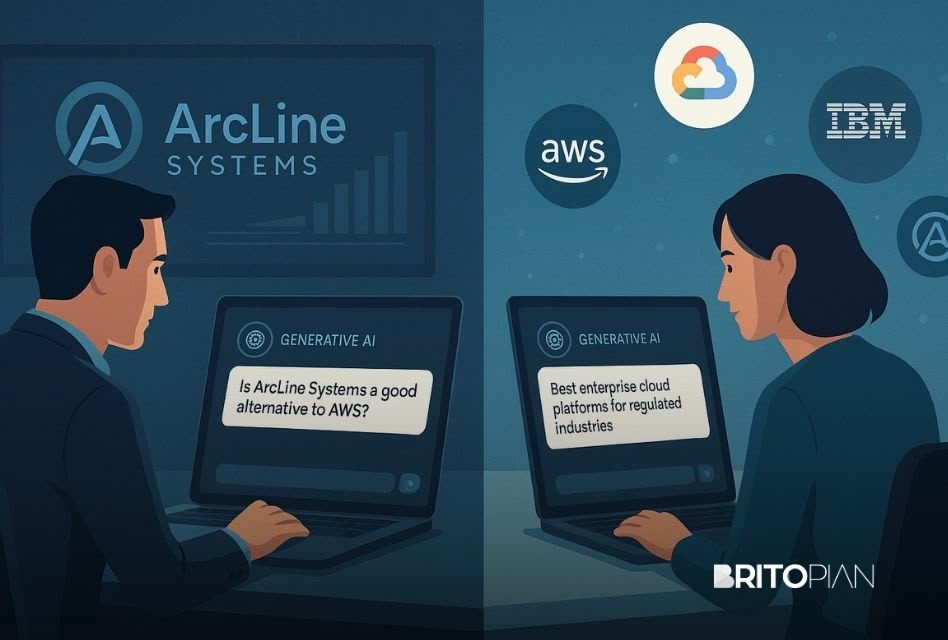
Branded vs Unbranded Prompts in Generative AI Search

What is AI Reading? The Muck Rack AI Report 2025

Generative Search: What the Latest 2025 Data Reveals