Summary
This post explains why generative search adoption is outpacing expectations and what that means for marketers, PR teams, and brand visibility. It shows how consumer behavior is shifting faster than most companies can adapt, with daily AI use doubling, ChatGPT tripling its share of searches, and resistance to AI collapsing. The analysis makes clear that the old search funnel has been rewritten, and visibility now depends on how AI engines compress and frame narratives, not just keyword rankings. It stresses the need to audit AI search variance across platforms, move at the speed of adoption, and treat media coverage as the new AI search channel, since published content now directly fuels how engines generate answers.
The Shockwave in Search
The study, published by HigherVisibility, sets the stage for how quickly search behavior is changing. Six months ago, the narrative was still “Google vs everyone else.” AI search tools looked experimental, a curiosity for early adopters. Today, the data tells a very different story. Daily AI usage has doubled, ChatGPT’s share of search activity has tripled, and the percentage of people who’ve never touched AI is collapsing.
This isn’t a gradual curve. It’s one of the fastest shifts in digital behavior since smartphones reshaped media consumption. For marketers and PR teams, that speed matters because the tactics you planned a year out may already be obsolete. The lesson is clear: adaptation timelines must compress. The question is no longer if audiences will adopt AI for search, but how quickly they will make it their default.
The Numbers Marketers Can’t Ignore
The August study doesn’t just provide a snapshot of change; it shows how fast the floor is moving under us. Each data point signals a behavioral shift that marketers need to translate into strategy.
- Daily AI tool usage jumped from 14% to 29.2%. Almost one in three consumers now uses AI every day. For context, it took Facebook three years to reach 20% daily usage after launch. AI hit that milestone in months. This kind of velocity matters because consumer behavior is outrunning brand readiness. If your marketing calendar is still planned around annual SEO reviews, you’re moving too slow.
- ChatGPT’s share of general searches leapt from 4.1% to 12.5%. That’s triple the penetration in half a year. For marketers, this isn’t just another channel. It’s proof that a growing share of audience discovery is happening outside Google. If ChatGPT is now handling one in eight general searches, visibility inside its answers is no longer optional, it’s foundational.
- “Never used AI” respondents fell from 28.5% to 16.3%. That’s a 12-point collapse in resistance. This shift shows AI is moving from novelty to default behavior. Once skepticism fades at this scale, you don’t get that audience back. People who switch rarely revert to old habits.
These numbers aren’t just statistics. They are markers of how people are deciding what to read, watch, and buy. If you’re still benchmarking performance against Google alone, you’re ignoring the fastest-growing discovery pathways.
Why the Acceleration Matters
The velocity of adoption creates structural consequences for brands. Two stand out as urgent.
- Experimentation is no longer enough. Back in February, marketers could justify pilot programs. They could “test” AI platforms on the side while maintaining a Google-first strategy. By August, that logic is outdated. Consumers have normalized AI into their daily routines. Treating AI discovery as optional is the same mistake brands made when they dismissed social media in 2008. Waiting means losing share of attention to competitors already embedded in AI answers.
- The search funnel has been rewritten. A customer might once have typed six separate queries into Google: product reviews, pricing, comparisons, influencer opinions, and local availability. In AI platforms, those six searches collapse into one extended conversation. This breaks the old model of tracking funnel stages through keyword volume. Measurement must now capture influence within condensed, contextual interactions. The unit of value is no longer the click, it’s the narrative.
The acceleration isn’t only about speed. It’s about structural change. AI doesn’t just add another channel. It reshapes how discovery itself works, compressing once-measurable steps into unified experiences that leave fewer breadcrumbs for marketers but carry more weight with consumers.
The Human Side of the Shift
Statistics show adoption curves, but sentiment reveals why people are staying. The qualitative responses from this study highlight consistent themes: frustration with traditional search and relief with AI.
- “ChatGPT because it provides more customized results based on my chat history.”
- “It’s faster and more precise.”
- “Google’s image search is useless now.”
These aren’t comments from tech enthusiasts. They’re from everyday consumers looking for speed, clarity, and personalization. Once they experience fewer clicks and more direct answers, they don’t revert to old routines. This matters because adoption here isn’t novelty-driven, it’s satisfaction-driven. That makes it sticky.
For brands, this creates opportunity and risk. AI platforms compress information and can elevate authoritative brand content, but they also amplify weak or negative narratives. Another layer of complexity is AI search variance. Different models—ChatGPT, Gemini, Claude, and Perplexity don’t surface the same results. One engine may highlight your brand favorably, while another omits you or frames you negatively. Strategically, this means treating AI as a fragmented ecosystem, not a monolith. Tactically, it requires auditing how your brand appears in each engine and adjusting content so it travels consistently across platforms.
Implications for Businesses and PR Teams
The pace of adoption requires more than a surface-level adjustment. It demands a strategic reset.
- Rethink visibility. SEO once meant chasing keyword rankings. That is no longer sufficient. Content must now be structured so AI engines can summarize and cite it. This requires investment in authoritative articles, structured product descriptions, and credible third-party validation. The goal is to move beyond ranking and into answerability.
- Track reputation in AI environments. Google surfaces links, but AI tools surface context. If authoritative sources frame your brand negatively, that framing can become the default answer consumers see. PR teams need to audit not only media coverage but also how AI engines retell that coverage. The real test is narrative persistence—whether your preferred story survives compression into AI outputs.
- Move at the speed of adoption. The February report suggested gradual adaptation. The August update removes that luxury. Six months was all it took for AI to move from early adoption to mainstream. If you’re still planning slow experimentation cycles, you’re already behind. Brands need to integrate AI search visibility into core marketing and communications strategy now.
The implications stretch beyond SEO. They touch reputation, trust, and product visibility at the exact point of decision.
Consider Alo Yoga. The brand is established in women’s athleisure but is still growing awareness in men’s apparel, especially joggers. Competitors like Lululemon and Vuori dominate that conversation. Traditionally, Alo could rely on SEO rankings, Instagram ads, and fitness influencer partnerships. But imagine a consumer today asking ChatGPT: “What are the best men’s joggers for workouts and casual wear?”
If the AI response cites Lululemon and Vuori but not Alo, the brand disappears from consideration. That isn’t just lost visibility, it’s lost revenue. Worse, if Alo is framed as less relevant because of weaker media coverage or fewer authoritative reviews, that perception may harden in AI-driven contexts.
The tactical adjustment is clear. Alo must ensure product reviews of its men’s joggers appear in outlets that AI platforms trust. It must build structured product descriptions optimized for machine summarization. And it must seed fashion commentary that frames the men’s line as competitive across both performance and lifestyle contexts. Without this, Alo risks being erased from the consumer’s decision set before the buying journey even begins.
The Adoption Curve Is Now a Cliff
Marketers love to reference adoption curves. AI search isn’t following one. It’s skipping from early adopters to mainstream at breakneck speed. The February report framed this moment as evolution. The August update proves it’s revolution.
But speed isn’t the only story. Variance across AI models means brands must fight on multiple fronts, not just optimize for one engine. That adds urgency to building adaptable strategies that can withstand different interpretations of the same brand.
This shift also introduces a new concept: media coverage as the new generative search channel. If engines rely heavily on published content to form their answers, then coverage isn’t just about reputation, it’s about discoverability. Media becomes the connective tissue between your brand and AI-driven answers. Treating outlets as a search distribution channel changes how PR prioritizes earned placements. Coverage is no longer a passive credibility builder. It is an active input into AI visibility.
MORE POSTS ON GENERATIVE SEARCH (GEO)

How to Measure Generative Engine Optimization (GEO)

Is AI Search a PR Problem?

AI in PR and Communications: Elevation, Not Just Efficiency
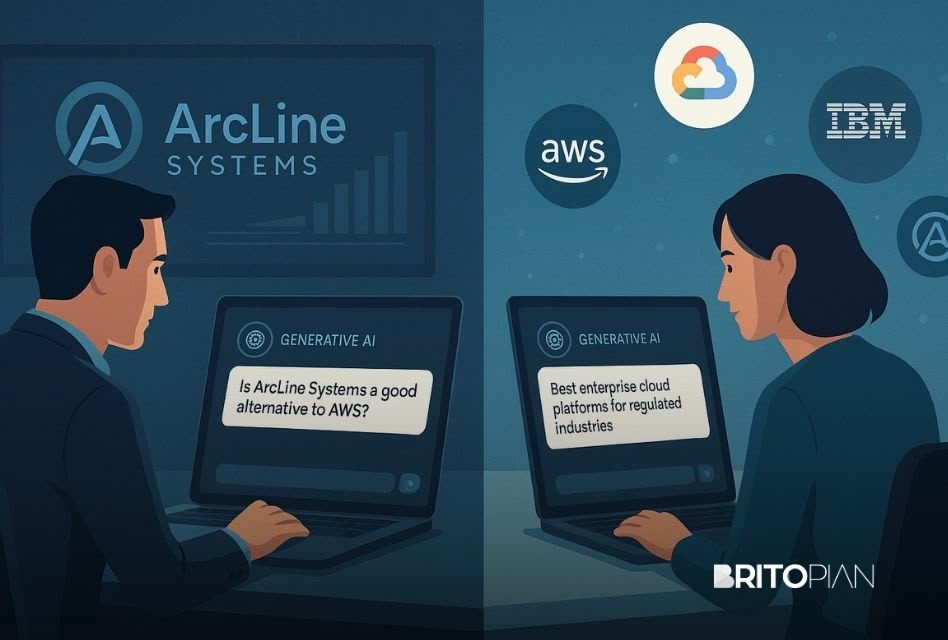
Branded vs Unbranded Prompts in Generative AI Search

Generative Search: What the Latest 2025 Data Reveals

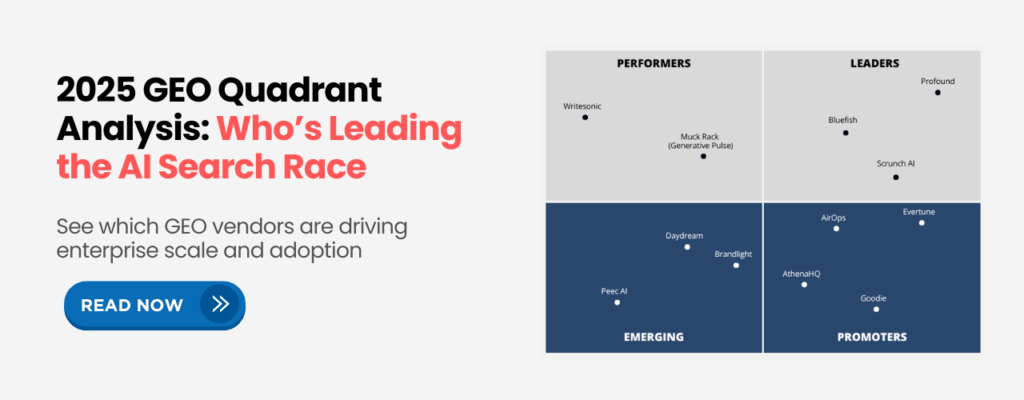
13 Generative Engine Optimization Platforms

GEO Puts B2B Influence on Notice

Muck Rack Puts GEO Education Front and Center for PR

GEO and the New Customer Journey
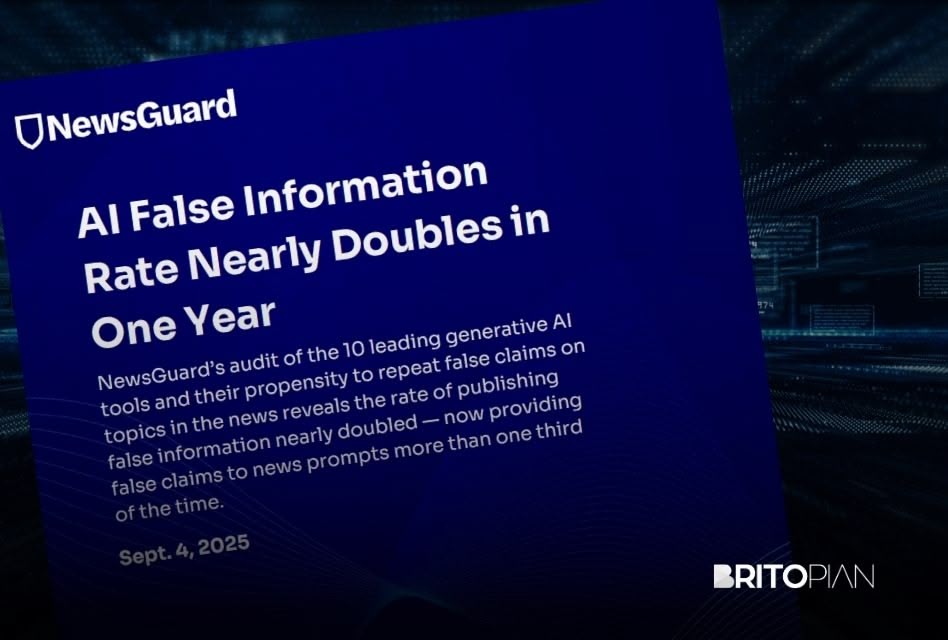
Report: GEO Without Reputation Safeguards Turns Visibility Into Risk

GEO as a Leading Indicator of Crisis Risk

GEO Visibility Gap Index: Exposing Gaps Between Coverage and AI
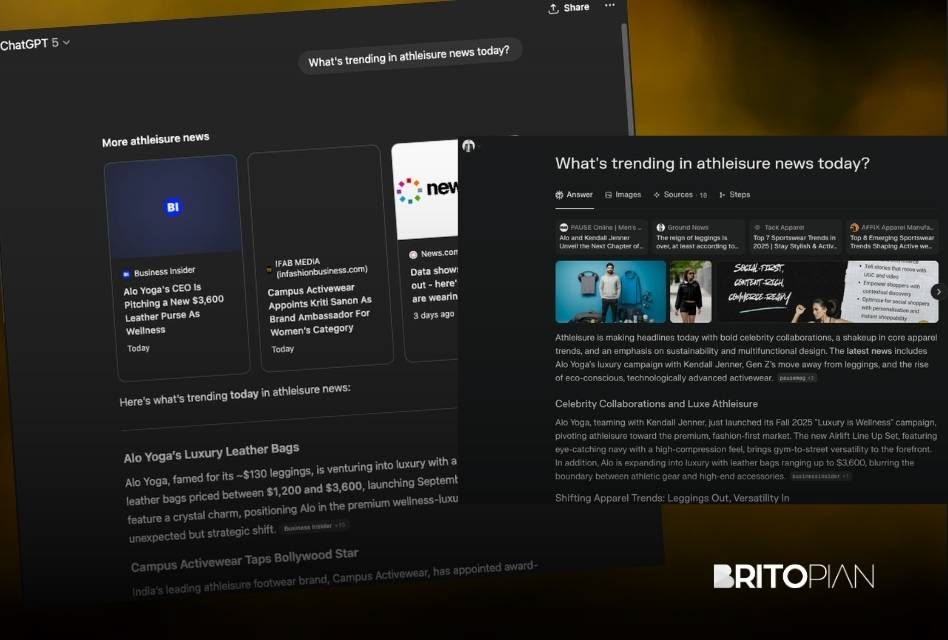
Integrated Visibility Score: GEO’s Impact on Media Coverage

Five GEO Visibility Metrics That Up-Level Media Measurement

Reputation Engine Optimization: The Missing Layer in GEO